Package Contents
Free Medical Consultation
Clinical Interpretation Service
Transfer to / from Airport*


Surgical therapy for gynecomastia, a disorder that is defined by the expansion of breast tissue in males, is available in Turkey. Gynecomastia in Turkey refers to the surgical treatment that is accessible in Turkey. Due to the great quality of medical care that is provided in Turkey, as well as the comparatively cheaper prices that are associated with it in comparison to many Western nations, this therapy has become quite popular in Turkey. In Turkey, there are several clinics that are equipped with cutting-edge technology and are manned by expert surgeons who specialize in male breast reduction treatments. As a result, Turkey has become a highly sought-after destination for individuals who are looking for excellent and affordable cosmetic surgery.
This cost often includes all related expenses, such as the cost of the hospital stay, the fees charged by the surgeon, and the cost of anesthesia. It is far lower than in many Western nations, which is a crucial cause why many patients from other countries choose to have their surgery performed in Turkey. Gynecomastia in Turkey Cost is highly variable. Contact us to get information about packages.
A medical disorder known as gynecomastia causes the glandular tissue of the male breast to swell up, causing the breast to become larger than normal. There are a number of factors that may lead to this illness, including hormonal shifts, obesity, specific treatments or prescriptions, or even heredity. It is a prevalent disorder that can afflict men of any age. In addition to causing bodily pain, the illness may also cause psychological suffering. Surgical removal of the extra tissue is often the treatment of choice. This procedure has the potential to significantly enhance the look of the chest and help eliminate any pain or embarrassment that may be connected with the condition. In situations that are not as severe, non-surgical therapies could also be tried; nevertheless, surgery is still the most definite treatment choice.
Examining the patient's medical history, doing physical exams, and conducting diagnostic testing are all components of the diagnostic process for gynecomastia. The first step in the process involves a healthcare practitioner having a conversation with the patient about their medical and pharmacological history in order to uncover any possible reasons of breast growth. In the course of the physical examination, the physician will palpate (examine by touch) the breast tissue in order to differentiate between fatty and glandular tissue types. This is an essential step in the process of making an accurate diagnosis. Imaging procedures such as mammograms and ultrasounds may be used in order to assess the breast tissue in more detail and rule out the possibility of other illnesses, such as malignancies. It is also possible to do blood tests in some instances in order to check for hormone levels that could be impacting breast development. This is done in order to ensure that a full evaluation is carried out before moving forward with treatment choices.
Gynecomastia may afflict men of any age; however, there are some demographics who are more likely to be affected by the condition. Due to the natural variations in hormone levels that occur throughout different phases of life, the likelihood of developing gynecomastia is higher in younger men, adolescents, and older men. This is especially true for younger men. Men who take medicines such as anabolic steroids, as well as those who are undergoing treatments that include anti-androgens or some psychotropic medications, both have the potential to have heightened hazards. Furthermore, persons who have health issues that disrupt the normal balance of hormones, such as liver illness, renal failure, or thyroid abnormalities, at an increased risk of developing gynecomastia.
The primary symptom of gynecomastia is the enlargement of breast tissue in males, which can affect one or both breasts. This enlargement is generally symmetrical around the nipple and can be tender to the touch. Some individuals may also experience breast pain or sensitivity, and in some cases, the breast tissue may secrete milk or a milk-like discharge. The physical appearance of enlarged breasts can lead to emotional or psychological distress, particularly in adolescents and young adults, making awareness and treatment of the condition important for affected individuals.
Gynecomastia is primarily caused by an imbalance between estrogen and testosterone levels in the body, which can stimulate breast tissue growth. Various factors can contribute to this hormonal imbalance, including natural hormone changes during infancy, puberty, and older age. Medical conditions affecting the liver, kidneys, or thyroid can also alter hormone levels and lead to gynecomastia. Certain medications, such as those used for treating prostate enlargement, cancer, heart conditions, and some psychiatric disorders, are known to cause gynecomastia as a side effect. Furthermore, the use of recreational drugs and alcohol, particularly marijuana and alcohol, can contribute to its development.
Determining if breast enlargement is gynecomastia involves a few steps. Firstly, one should note the texture of the breast tissue; gynecomastia is characterized by a firm, rubbery enlargement typically centered around the nipple. In contrast, fat deposition (pseudogynecomastia) feels soft and has no clear boundary from the surrounding chest fat. If there is tenderness or swelling in the breast tissue, these could also be signs of gynecomastia. It's important to seek a professional medical diagnosis, as doctors may use physical exams, medical history, and possibly imaging tests like ultrasounds or mammograms to confirm the presence of gynecomastia.
Preventing gynecomastia involves addressing the factors that contribute to hormonal imbalances when possible. Maintaining a healthy weight and avoiding steroids or drugs known to cause gynecomastia can reduce risk. Managing underlying health conditions that affect hormones, such as hyperthyroidism, liver disease, or kidney failure, with appropriate medical treatment can also help. For those on medications that might cause gynecomastia, consulting with healthcare providers about potential alternatives or preventive measures is advisable. Additionally, reducing alcohol consumption and avoiding the use of recreational drugs can further minimize the risk of developing gynecomastia.
Treatment for gynecomastia is tailored to the individual's needs, depending on the severity and underlying cause of the enlargement. Initially, observation might be recommended, especially in younger males, as the condition often resolves on its own with time. If it persists, medical treatments such as hormone balancing medications might be employed. For those with more pronounced or bothersome symptoms, surgical intervention is commonly pursued. Surgical approaches include liposuction to remove excess fat and mastectomy to excise glandular tissue. Post-treatment care is crucial and involves lifestyle adjustments to maintain results and prevent recurrence.
Gynecomastia varies by type, each characterized by different features and causes. Neonatal gynecomastia occurs in newborns due to maternal hormones and typically resolves without treatment. During adolescence, pubertal gynecomastia appears as a result of hormonal changes and usually subsides over time. In adults, gynecomastia can arise from health conditions, medications, or hormonal imbalances associated with aging. Another condition often confused with gynecomastia is pseudogynecomastia, which involves increased fat in the chest but not actual glandular growth.
Preparing for a gynecomastia operation involves several critical steps to ensure a safe procedure and recovery. Patients need a comprehensive medical evaluation to confirm the diagnosis and to screen for any conditions that might complicate surgery. Discussing current medications is essential, as some may need to be paused or adjusted. Patients are also advised to quit smoking and reduce alcohol intake to enhance healing capabilities. Adhering to dietary instructions, particularly fasting before surgery, is crucial. Finally, arranging for someone to assist with transportation and post-operative care will help ease the recovery process, ensuring the patient has the support they need during this time.
Recovery from gynecomastia surgery varies by individual but generally involves a period of rest and limited activity to allow the body to heal properly. Patients typically experience some swelling and discomfort which can be managed with prescribed pain medication. Compression garments are often recommended to support the healing tissues and reduce swelling. Most patients can return to work and light activities within a week, but strenuous exercise and heavy lifting should be avoided for up to six weeks. Follow-up visits with the surgeon are important to monitor healing and address any concerns. Proper care and adherence to the surgeon's instructions can significantly impact the speed and success of the recovery.
Gynecomastia treatment options range from conservative approaches to more invasive procedures, depending on the severity of the condition and the patient's preferences. Observation is often recommended for mild cases, particularly in adolescents, as the condition may resolve on its own. Medications that adjust hormone levels may be used when hormonal imbalance is identified as a contributing factor. For more persistent or severe cases, surgical options are available. These include liposuction to remove excess fatty tissue and mastectomy to excise excess glandular tissue. Each treatment option comes with its own benefits and risks, which should be thoroughly discussed with a healthcare provider.
Non-surgical gynecomastia refers to treatments for male breast enlargement that do not involve surgery. These can include lifestyle changes such as weight loss and exercise, which can help reduce the appearance of enlarged breasts if they are primarily composed of fatty tissue (pseudogynecomastia). Hormonal treatments may also be considered to address underlying imbalances that contribute to gynecomastia. In some cases, medications used to treat other conditions, such as tamoxifen or raloxifene, are prescribed off-label to reduce breast tissue growth. These non-surgical options are generally considered when the condition is mild, the patient prefers not to undergo surgery, or health risks preclude surgical intervention.
As is the case with any surgical operation, gynecomastia surgery is not without the possibility of adverse effects and hazards. One of the most common hazards is a bad response to the anesthetic, followed by bleeding and infection. The danger of scarring, irregular shapes, nipple injury, and changes in skin sensitivity in the breast region is unique to gynecomastia surgery. Other potential complications include nipple damage. There is a possibility that some patients may be dissatisfied with the cosmetic result, which may need them to undergo revision surgery. Additional treatment can be necessary if there is asymmetry between the breasts or if there are problems with the healing process. Both of these possibilities are probable. Prior to surgery, having a comprehensive conversation with a trained surgeon may help reduce the likelihood of these hazards occurring and better prepare the patient for the process of recovery.
Gynecomastia surgery, like any other surgical procedure, is not without the chance of unpleasant consequences and dangers. This is the case with every surgical undertaking. The most prevalent risk is an adverse reaction to the anesthesia, which is then followed by bleeding and infection as the next most common risks. Particular to gynecomastia surgery is the risk of scarring, uneven shapes, nipple damage, and changes in skin sensitivity in the breast area. These risks are not present in other surgical procedures. Nipple injury is another possible additional issue that may arise. There is a risk that some patients may be disappointed with the cosmetic outcome, meaning that they may need revision surgery in order to get their desired appearance. If there is asymmetry between the breasts or if there are issues with the healing process, it may be essential to undergo further therapy. On the other hand, both of these options are likely. A detailed chat with a skilled surgeon before to surgery may help lessen the possibility of these dangers happening and better prepare the patient for the process of recovery. This communication should take place before the patients have surgery.
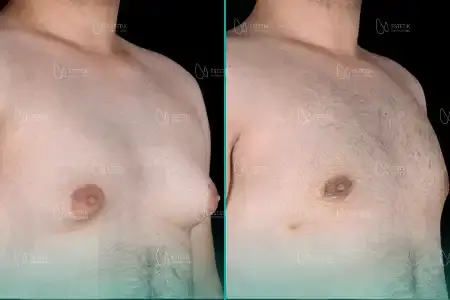
Gynecomastia surgery is a cosmetic procedure designed to reduce the size of enlarged male breasts caused by gynecomastia. The condition can result from hormonal imbalances, genetics, or other factors. The surgery involves removing excess glandular tissue, fat, and skin to create a flatter, more masculine chest. In some cases, liposuction may also be used to remove fat. The procedure helps restore a more proportionate and confident appearance.
Gynecomastia can occur due to hormonal imbalances between estrogen and testosterone, leading to an increase in breast tissue. It can also be caused by factors such as obesity, which may contribute to excess fat around the chest, as well as the use of medications, anabolic steroids, or certain medical conditions. In some cases, gynecomastia is a result of genetics or a side effect of puberty.
Recovery time after gynecomastia surgery typically takes about 1 to 2 weeks for initial healing. During the first few days, you may experience swelling, bruising, and mild discomfort, which can be managed with prescribed pain medication. Most patients can return to work and light activities after 1 week, but strenuous exercise and heavy lifting should be avoided for at least 4 to 6 weeks. Full recovery and the final results may take a few months to become fully visible.
The results of gynecomastia surgery are generally permanent. Once the excess tissue is removed, the chest will remain flatter and more contoured. However, weight gain or hormonal changes can affect the chest's appearance. Maintaining a healthy lifestyle can help preserve the results for the long term.
The cost of gynecomastia surgery varies based on factors like the surgeon’s experience, the complexity of the procedure, and the location of the surgery. Additional costs may include anesthesia, facility fees, and post-operative care. It is important to consult with a board-certified surgeon to get a detailed estimate.
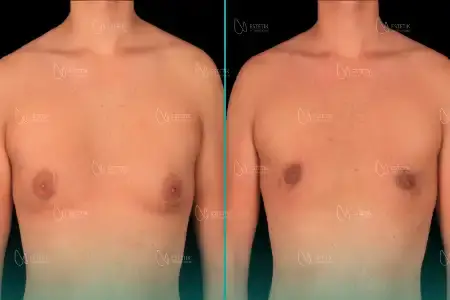
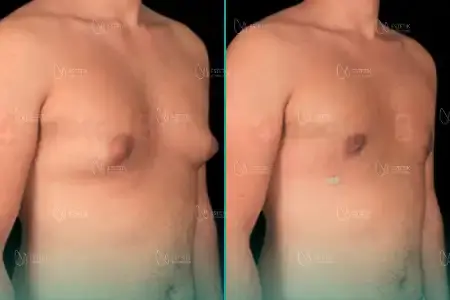
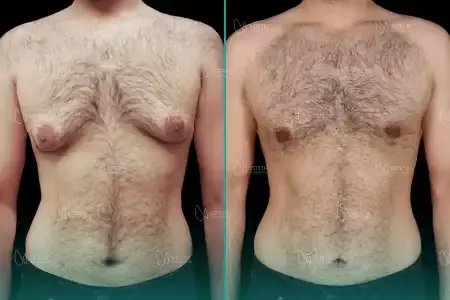
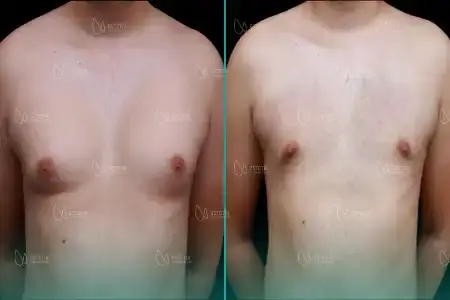
The final price is determined after your consultation and treatment plan.
Not sure yet? Talk to our doctors first.
Editor: Esra Şahinler
esra.sahinler@estetikinternational.com.tr
Last updated:
To perform a gynecomastia procedure, there are three main steps:
Consultation : Discussing needs and outcomes
Before the procedure, you will have a consultation with your doctor to discuss your goals, outcomes.
After agreeing on the details, our medical staff schedule your operation day.
The Gynecomastia surgery process starts when the patient receives anesthesia. The surgeon then proceeds to address the enlarged breast tissue by making precise incisions, typically around the nipple or in the underarm area, to remove excess glandular tissue, fat, and sometimes skin, resulting in a more masculine and flatter chest contour. The focus of the surgery is solely on the chest, aiming to correct the proportions and enhance the chest's appearance, which can significantly impact the patient's self-esteem and body image. Each step of the procedure is carefully planned and executed with the patient's goals in mind, ensuring the results look natural and meet the individual's expectations for a more masculine physique.
After the gynecomastia surgery, experiencing swelling, bruising, and discomfort in the chest area is common. To ease this discomfort, your surgeon might prescribe painkillers. Keeping the incision area clean is crucial to avoid any infections. You need to avoid strenuous activities that could impact the chest area for about 4 to 6 weeks to ensure proper healing. Wearing a compression garment is key; it helps reduce swelling and supports the new chest contour as it heals. It's also important to shield the incision lines from direct sunlight to prevent scarring from becoming more visible. Generally, patients can continue their usual activities within 2 to 4 weeks, though the complete healing process and the final settling of the chest contour can take a few months. Following your surgeon’s post-operative care instructions is critical for achieving the best recovery and outcomes.

During the time I lived in Canada, I followed the successful operations performed by Dr. Bülent and decided to come to him. After the consultation, together with Dr. Bülent and Nurse Düriye, I was able to successfully leave behind the long-standing complaints I had about my nose. Thanks to the con..

Rhinoplasty Patient
I had multiple procedures at Estetik International. Dr. Gina Morret Ulasti and other skilled doctors, and I was thoroughly impressed with their exceptional care and expertise. The team took a comprehensive medical approach, including blood tests, to address the root of my concerns. Special thanks ..

Medical Aesthetics Patient
My experience with this clinic has been fantastic! Thank you so much, Dr. Ikram, for your excellent work. My surgery went very smoothly, and I’m very happy with both the result and the fast recovery. I also want to thank my super sweet and kind nurse, she was truly the best, helping me throughout ..

Patient
I had a hair transplant at Estetik International and I am very happy with the results. The Dr. B team was extremely professional and friendly. They supported me at every stage before and after the procedure My new hair looks natural I highly recommend it.

Hair Transplant Patient
I had a nose job yesterday. All nurses and staff were amazing. Very caring and polite. Facilities are clean and modern. If you are thinking about estetic procedure, this place is worth to recommend. Thank you Estetik International.

Rhinoplasty Patient
The nose surgery I had at Estetik International changed my life I had been uncomfortable with my nose for years, but the moment I met the team, I felt I was in the right place The clinic is truly equipped with the latest world class technologies and offers a warm friendly environment My surgeon pa..

Rhinoplasty Patient
Once in a lifetime experience with a worth lifetime investment. Hair transplant. The clinic and doctors are amazing, 24/7 responsive, organized transfer with luxurious cars. I strongly recommend this place if u want to make a change in your life. You will not regret a second being here. Big thanks!

Hair Transplant Patient
I'm very happy with the Botox and filler procedures I got here The clinic's professional approach and thoroughness during the procedures made a big impression on me. I would lite to thank Dr. Bülent and his team for this meticulous work. The atmosphere that brings calmness and the friendly attitud..

Botox & Fillers Patient
Dr. B and his entire staff have been wonderful. Dr. B went out of his way to help me achieve a fantastic result. I am 57 and he has made me look 37 in the face and body. He has an incredible eye and developed a plan that entailed the least amount of cutting, bruising, and swelling, all for a reaso..

Patient
Absolutely Flawless. Having surgery abroad is a daunting experience. I researched almost all clinics in Istanbul online and 'all roads' led to Estetik International. services. It was an easy decision to make! They went above and beyond and made the experience seamless.

Patient
It is an excellent hospital with outstanding doctor attention and nursing care. It is the hospital where I went through my closed rhinoplasty surgery without even experiencing facial bruising or swelling around the eyes.

Rhinoplasty Patient
I had the Gynecomastia treatment at Estetik International and I'm extremely satisfied with the results. This Method gave my skin a firmer and more youthful appearance. The doctors and staff were incredibly professional and knowledgeable making me feel safe throughout the entire process. The proced..

Gynecomastia Patient
My experience with Estetik International was absolutely incredible from start to finish. From the moment I arrived, everything was perfectly organized and seamless. I am extremely grateful to the entire team and would 100% recommend anyone considering surgery abroad. They exceeded my expectations...

Patient
I encountered a great result, a very interested and experienced team welcomed me fro the very beginning to the very end of my process. In this process, I would espercially like to thank Dr. Bülent and the doctors in his team. I was really satisfied with my hair transplantation procedure. I encount..

Hair Transplant Patient






I had an amazing experience in Istanbul having a body lift, liposuction and BBL with Dr. B at Estetik International. The staff is absolutely amazing from transportation, to translation, and promptly answering questions. The nursing staff took amazing care of me and my husband who was able to sleep..
Stacy S.
Body Surgeries Patient