April 10, 2026


April 10, 2026


March 27, 2026
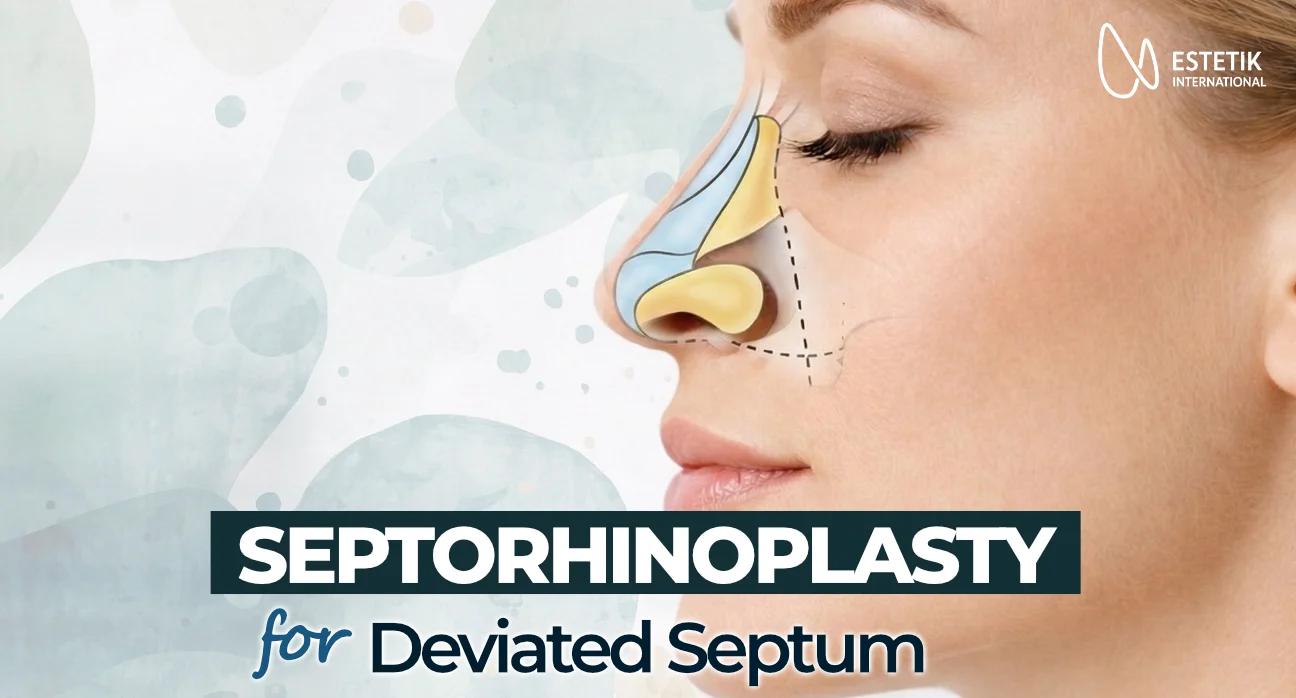
Struggling to breathe through your nose can impact everything from your sleep quality to your daily energy levels. For many, the root cause is a structural issue inside the nose such as a deviated septum or enlarged turbinates. However, what if you also want to improve the external appearance of your nose at the same time?
If you are dealing with both functional breathing issues and aesthetic concerns, understanding the difference between septoplasty surgery, rhinoplasty, and turbinate reduction is crucial.
Combining these procedures into a septorhinoplasty involves addressing the internal structure for health while refining the external shape for beauty. This integrated approach might be the ultimate solution for you, providing a path to both better health and increased confidence. Let’s dive into what this process involves and how it can change your life.
The septum is the cartilage and bone that divides your nasal cavity into two nostrils. When this wall is off-center or crooked, it is called a deviated septum. This makes one nasal passage smaller than the other, restricting airflow and causing chronic congestion.
Turbinates are spongy structures inside the nose that clean, heat, and humidify the air you breathe. Allergies, recurrent infections, or a deviated septum can cause them to swell and block the airway. If your body tries to compensate for a deviated septum, the turbinates on the opposite side often enlarge, creating a double blockage.
[Image of nasal turbinate anatomy]Most people don't realize that 80% of the population has some degree of septal deviation. You should consider a professional evaluation if you experience:
Many patients ask, "what is a septorhinoplasty and how does it differ from other nose jobs?" Here is the breakdown:
| Feature | Septoplasty | Septorhinoplasty |
|---|---|---|
| Primary Goal | Improve breathing (Functional) | Improve breathing + Reshape nose (Aesthetic) |
| Visible Change | No external change | Changes the shape, tip, or bridge |
| Technique | Straightens the internal wall | Corrects the wall & modifies the structure |
| Ideal For | Patients happy with their nose shape | Patients with breathing issues & cosmetic concerns |
Now that you understand the technical differences between fixing the internal wall (Septoplasty) and reshaping the nose (Septorhinoplasty), you might be wondering: why choose one when you can have both? The synergy between these procedures is what creates the most successful long-term outcomes.
If you want to breathe better and refine your nasal profile, combining septorhinoplasty with turbinate reduction is the most effective approach.
By addressing the septum, the turbinates, and the external aesthetics in a single operation, you benefit from:
Recovery is a process, not an overnight event. Here is your typical milestone calendar:
Pro Tip: Avoid heavy glasses and strenuous exercise for at least 6 weeks to protect your new nasal structure.
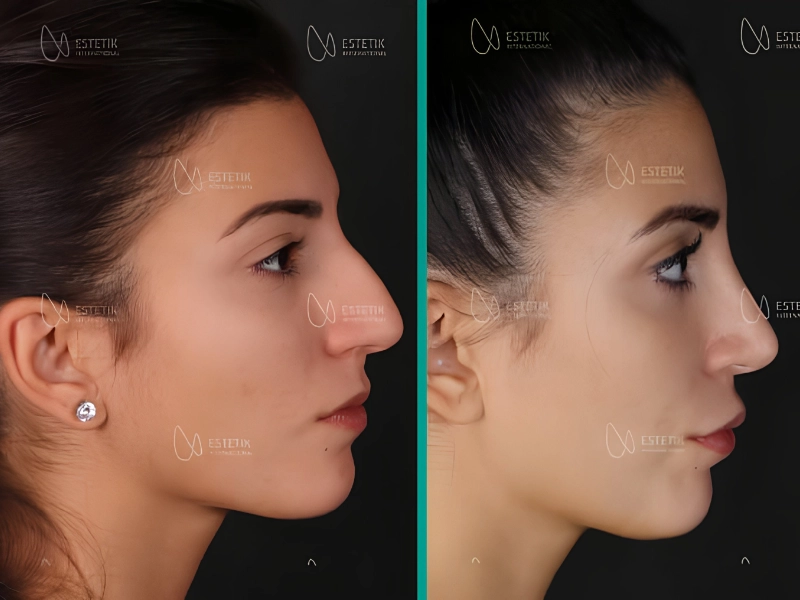
Viewing septorhinoplasty before and after photos is the best way to understand the potential of this combined procedure. Our gallery showcases how correcting a deviated septum while refining the nasal bridge and tip can create a balanced, natural appearance.
No surgery is without risk. A trustworthy clinic will always disclose potential complications:
For patients in the UK, the choice often comes down to a balance between time, expertise, and investment. Beyond the significant cost savings, Turkey has emerged as a global center of excellence for nasal surgery. Patients travel from across the globe not just for the value, but to access world-renowned surgeons who perform these complex procedures daily with unmatched precision.
You are likely an ideal candidate for a combined Septorhinoplasty + Turbinate Reduction if:
While a deviated septum is a structural issue that cannot be physically straightened without surgery, you can manage the symptoms using nasal steroid sprays or dilators. These treatments help reduce inflammation to open the airway, but they do not move the underlying bone or cartilage. For a permanent solution to chronic blockage, a surgical procedure like septoplasty remains the only effective option.
The total cost of deviated septum surgery depends on your location and whether you opt for a purely functional septoplasty or a combined aesthetic septorhinoplasty. Private procedures in the UK typically range from £7,000 to £12,000, while the same high-standard surgery in medical hubs like Turkey falls between £3,000 and £4,500. These international prices often include all-inclusive packages with luxury accommodation, offering a significantly more affordable alternative without the long waiting lists found in public health systems.
Most patients feel comfortable returning to a desk job or remote work within 7 to 10 days, once the initial congestion and "head-heavy" feeling subside. If your job involves heavy lifting or intense physical activity, you should wait at least 3 to 4 weeks to avoid increasing nasal blood pressure and risking a nosebleed. We generally recommend taking one full week off to focus entirely on rest and proper nasal irrigation.
Most surgeons recommend waiting until the nasal bones have fully finished growing, which is typically around age 16 for females and 18 for males. Operating too early can interfere with facial development, though exceptions are made for severe trauma cases or life-altering breathing obstructions. Once the growth plates are closed, there is no upper age limit for healthy adults looking to improve their quality of life.
Don’t let a deviated septum dictate your quality of life, your sleep, or your confidence. Skip the long waiting lists and get the care you deserve. Whether you are looking for permanent functional relief or a complete aesthetic refinement, our world-class surgical team in Istanbul is ready to design a personalized, all-inclusive treatment plan for you.
Get a Free Online Consultation & Quote Within 24 Hours
Experience the perfect blend of health and beauty with Estetik International.