

What is Hair Mesotherapy with Stem Cells?
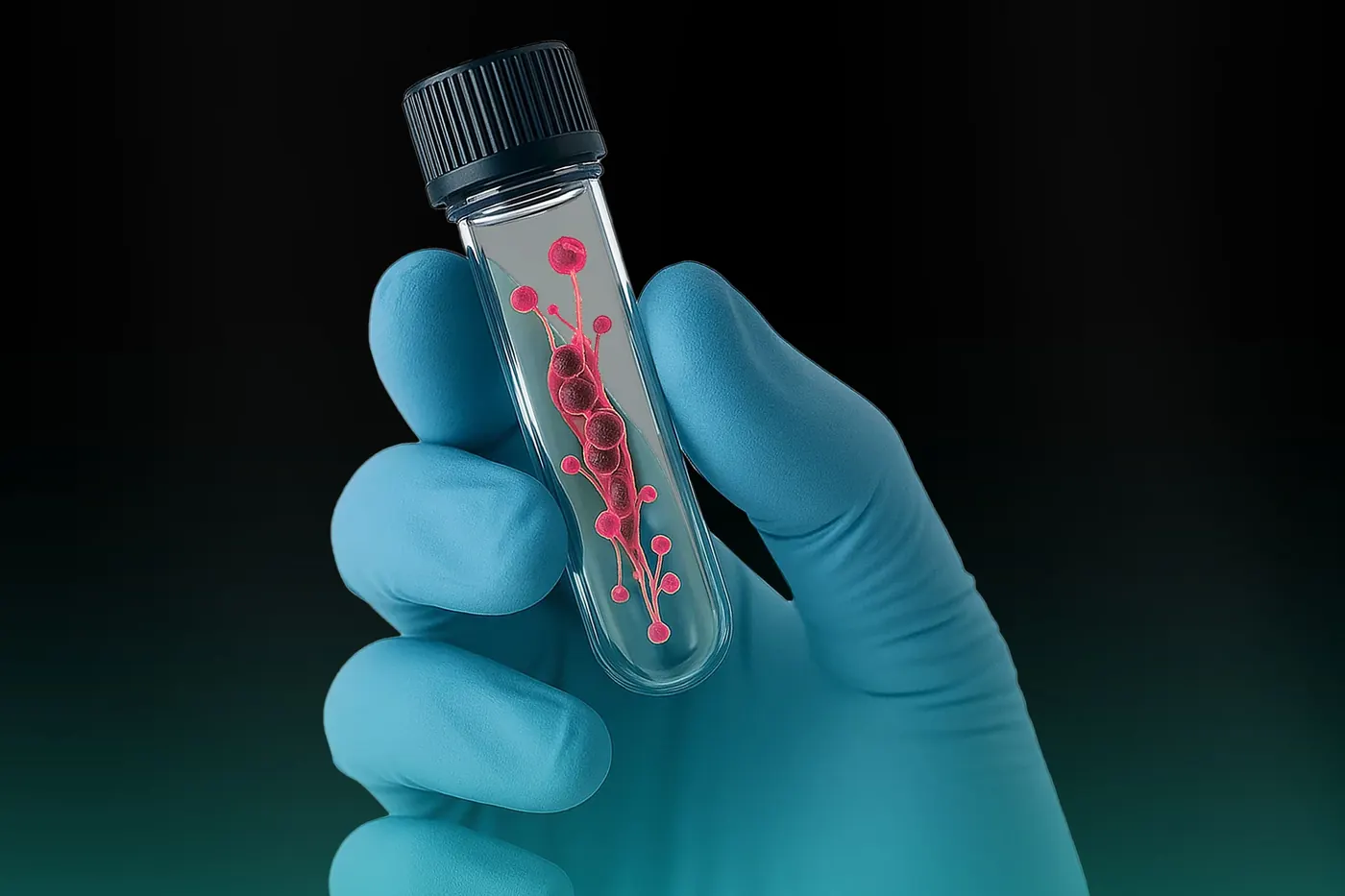
Hair Mesotherapy with Stem Cells is a non-surgical, minimally invasive treatment designed to revitalize the scalp and stimulate natural hair growth by using the body’s own regenerative power. This advanced technique involves injecting a biologically rich serum, derived from the patient’s own fat tissue, directly into areas affected by thinning or weakened hair.
At Estetik International, we use the Cihantimur Enriched Fat Transfer technique to extract and process adipose tissue in a way that preserves its naturally occurring stem cells and growth factors. These regenerative elements are then delivered into the scalp, where they work to reactivate dormant hair follicles, improve blood flow, and support the natural hair growth cycle. This method strengthens hair at the root, increases density, and improves scalp health, all without the need for synthetic substances or hair transplant surgery.
What Concerns Can Hair Mesotherapy with Stem Cells Address?
This treatment is suitable for a wide range of hair-related concerns, including:
Early-Stage Hair Thinning: Strengthens weakened follicles to slow or stop further loss
Androgenetic Alopecia: Helps combat genetic hair loss in both men and women
Post-Transplant Support: Ideal for maintaining results and improving scalp recovery after hair transplant procedures
Reduced Hair Density: Stimulates growth in sparse or patchy areas
Poor Scalp Circulation or Inflammation: Improves scalp condition and microvascular health
Who is a Good Candidate for Hair Mesotherapy with Stem Cells?
This procedure is recommended for patients who:
Are experiencing mild to moderate hair thinning or reduced volume
Have not yet reached the stage requiring surgical hair transplant
Are in generally good health with no major scalp conditions
Want a natural, regenerative alternative to drug-based treatments
Have sufficient fat tissue for extraction
Pre-Treatment Preparation
Consultation: Assessment of hair loss stage, scalp health, and treatment goals
Donor Area Selection: Typically the abdomen or flanks are used for minimal fat extraction
Guidelines Provided: Patients are advised to stop smoking and avoid certain medications as needed
During the Procedure
Local Anesthesia and Sedation: Applied to both fat extraction and scalp areas
Fat Harvesting: A small volume of adipose tissue is removed using micro-liposuction
Processing: Using the Cihantimur Enriched Fat Transfer method, the fat is processed to retain its stem cells and growth factors
Injection Phase: The regenerative serum is injected into the scalp using mesotherapy techniques, targeting areas of concern
Recovery and Results
No Downtime: Most patients resume daily activities immediately after the procedure
Mild Sensitivity or Redness: May occur for 24–48 hours
Progressive Results: Hair begins to show visible improvement within 4 to 8 weeks
Long-Term Benefits: With regular sessions or combined therapy, many patients experience long-lasting improvements in density and scalp vitality
Pre-procedure Tips for Hair Mesotherapy with Stem Cells
Careful preparation helps ensure a smooth session and supports the best possible regenerative outcome. Your specialist will guide you through a few simple steps before your appointment.
Attend your consultation so your hair loss stage, scalp health, and treatment goals can be properly assessed
Stop smoking well in advance of your session, as smoking can impair circulation and healing
Avoid blood-thinning medications and supplements (such as aspirin or fish oil) in the days beforehand, unless your doctor advises otherwise
Arrive with a clean scalp, free of styling products, gels, or sprays
Stay well hydrated and eat a light meal before your appointment
Operation Day: Step by Step for Hair Mesotherapy with Stem Cells
On the day of your treatment, the process is designed to be efficient, comfortable, and closely supervised by your medical team.
A final review of your scalp condition and treatment plan is carried out with your specialist
Local anesthesia is applied to the donor area, and a small volume of fat is harvested using micro-liposuction
The harvested tissue is processed using the Cihantimur Enriched Fat Transfer method to isolate stem cells and growth factors
Local anesthesia is applied to the scalp, and the regenerative serum is injected into areas of thinning using mesotherapy technique
You are monitored briefly after the injections before being discharged with aftercare guidance
Post-procedure Tips for Hair Mesotherapy with Stem Cells
Because this treatment involves no downtime, aftercare is straightforward, though a few precautions help maximize results and comfort.
Expect mild redness or sensitivity at the injection and donor sites for 24 to 48 hours
Avoid washing or vigorously touching your scalp for the first day following treatment
Skip strenuous exercise, saunas, and swimming for a few days to reduce irritation and swelling
Protect your scalp from direct sun exposure until any redness has settled
Continue to avoid smoking during the healing period to support circulation and cell activity
Patient stories
 Breast Implants & Tummy Tuck · DKFrom Beautiful to Gorgeous!As a fitness model, Mia needed to keep her body in the best shape. She contacted Estetik International to give her the right touch to her gorgeous body. Check out her journey.Watch on YouTube
 Secondary Rhinoplasty · FRA Moving Story!After an unfortunate accident that broke her nose and altered her facial features, and after being rejected by many doctors in France due to her complicated case, she chose Estetik International and came to Turkey to have her nose fixed by our amazing surgeon Prof. Dr. Cenk Şen. She finally got her beauty and happy life back. Check out her full story here.Watch on YouTube
 Organic Hair Transplant · DEGorgeous Hair Loading!As a young man, baldness can make you look older. Our dear patient Andreas, decided to say “stop” to baldness and chose Estetik International to get his organic hair transplant done by our experts. Check his story and see how he decided to come with his friend to Istanbul to get their new hair.Watch on YouTube
Frequently asked questions
Hair Mesotherapy with Stem Cells is a non-surgical, autologous treatment that uses regenerative material processed from your own fat tissue to revitalize the scalp and reactivate weakened follicles. It suits patients with mild to moderate hair thinning, early-stage androgenetic alopecia, or those seeking scalp support after a hair transplant. Good candidates are in generally good health, have sufficient donor fat, are not yet at the stage requiring surgical transplantation, and are committed to a smoke-free healing period. A personalized consultation confirms suitability.
The procedure begins with a small amount of fat being harvested from an area such as the abdomen or flanks using micro-liposuction, performed under local anesthesia with sedation for comfort. Using the Cihantimur Enriched Fat Transfer method, the tissue is processed to concentrate its stem cells and growth factors. This regenerative serum is then injected into the scalp with fine mesotherapy needles, targeting areas of thinning or reduced density. Both the donor and scalp areas remain numbed throughout, keeping the session comfortable.
Recovery is quick and involves virtually no downtime, meaning most patients return to daily activities immediately afterward. Mild redness or sensitivity at the injection sites and donor area may occur for 24 to 48 hours but resolves on its own. There is no need for bandages or extended rest. Patients are usually advised to avoid strenuous exercise, direct sun exposure, and touching or scratching the scalp for a short period following the session to support optimal healing and absorption of the regenerative serum.
Because the treatment stimulates the hair growth cycle gradually, visible improvement typically appears within 4 to 8 weeks as follicles are reactivated and circulation improves. Results build progressively over subsequent months as hair density and strand quality improve. As the treatment uses your own regenerative cells rather than a permanent implant, its effects are supported through the natural growth cycle, and many patients maintain long-lasting improvement with periodic maintenance sessions recommended by their specialist.
Because Hair Mesotherapy with Stem Cells is fully autologous, using only your own fat-derived cells, it carries a low risk of allergic reaction or rejection, and there is no surgical scarring since it is a minimally invasive, needle-based technique. Mild bruising or tenderness is the most common temporary effect. Pricing in Turkey depends on your hair condition, the number of sessions needed, and whether the treatment is combined with a hair transplant. Estetik International provides transparent, personalized quotes after consultation, along with all-inclusive care packages for international patients.
Your surgical team
Considering Hair Mesotherapy with Stem Cells?
Share a few details and a patient coordinator will plan your consultation with the right surgeon.