

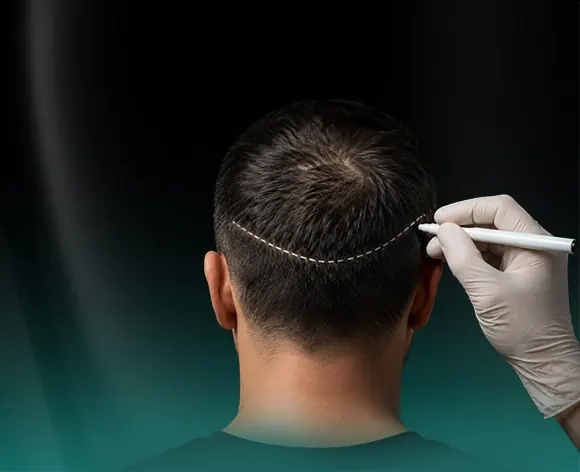
What is Hair Transplant for Women?
Hair transplant for women in Turkey is a specialized procedure designed to help restore hair that’s thinning or lost, giving a natural and long-lasting solution. During the process, healthy hair follicles are carefully taken from areas of the scalp where hair is still thick (donor areas), usually the back or sides, and transplanted into the thinning or balding areas. This technique helps to rebuild hair density, giving women a fuller, thicker look while boosting confidence and improving overall appearance.
What Causes Hair Loss in Women?
Women can experience hair loss for various reasons, often leading to thinning hair or even bald patches. Common causes include hormonal changes, such as those that occur during pregnancy, menopause, or conditions like polycystic ovary syndrome (PCOS). Female pattern baldness, which is genetically inherited, is also a significant contributor to hair thinning in women. Other factors include stress, poor nutrition, and medical conditions like thyroid disorders or anemia. Certain medications can also trigger hair loss in women. Identifying the root cause of your hair loss is key to finding the most effective treatment. A detailed consultation with our hair restoration specialists will help discover the underlying factors and create a customized plan for restoring your hair and confidence.
Who is suitable for Hair Transplant for Women?
Hair transplantation can be an excellent solution for women dealing with hair thinning, pattern hair loss, or bald patches. At Estetik International, our expert team carefully evaluates each candidate based on the following factors:
Age: Women over 25 typically benefit the most, as hair loss patterns are more stable and predictable. Younger women may need to wait until hair loss stabilizes before opting for a transplant.
Sufficient Donor Hair: Enough healthy hair in the donor area (back/sides of the scalp) is needed for the transplant.
Scalp Health: A healthy scalp is essential. Conditions like infections or scarring can affect results. In such cases, a thorough scalp evaluation is necessary before proceeding.
Overall Health: General health plays a significant role in the success of the procedure. Women should be in good health to undergo the surgery and have a smooth recovery. Conditions such as uncontrolled diabetes, immune system disorders, or circulation problems can complicate the procedure and healing process.
Hormonal Factors: Hormonal imbalances, such as those caused by pregnancy, menopause, or polycystic ovary syndrome (PCOS), can affect hair growth patterns. It’s important to ensure that any underlying hormonal issues are addressed before proceeding with a hair transplant.
Which Problems Can be Solved with Hair Transplant for Women?
Pattern Hair Loss: Hair loss due to genetics, commonly known as female pattern baldness, which causes thinning around the crown or part line.
General Hair Thinning: Widespread thinning of hair across the scalp, often caused by aging, stress, or hormonal changes.
Bald Patches: Areas of hair loss caused by conditions like alopecia areata, scarring, or injury.
Thinning Hairline: Loss of hair along the front hairline, restoring a fuller, more youthful appearance.
Post-Surgical or Post-Trauma Hair Loss: Hair loss resulting from surgery, accidents, or medical treatments like chemotherapy.
Confidence: Restoring a natural, fuller head of hair can significantly enhance and boost self-esteem and overall appearance.
Pre-Procedure
The hair transplant journey for women begins with a personalized consultation to assess your unique hair loss pattern and discuss your aesthetic goals. During this consultation, our expert team will evaluate the cause of hair thinning and develop a tailored treatment plan that best suits your individual needs. We will also explain the different hair transplant techniques available, such as FUE or DHI, to ensure the most effective and natural result for you. Additionally, you will receive pre-procedure instructions, which may include guidelines on avoiding certain medications and substances, as well as advice on hydration and maintaining a healthy diet to prepare your body for the procedure.
During Procedure
On the day of the procedure, local anesthesia is applied to the scalp to ensure you feel no discomfort during the treatment. The procedure begins with the extraction of hair follicles from a donor area (typically at the back or sides of the head). For women, where hair thinning may be more diffuse, our team will pay extra attention to preserving the natural flow and thickness of the existing hair. The aim is to create a natural-looking hairline and restore volume and density to the hair. The procedure is minimally invasive, with minimal swelling and discomfort, thanks to the precision techniques employed.
Post-Procedure
After the hair transplant procedure, you will receive detailed aftercare instructions to ensure the best results. It is important to follow these instructions closely to optimize healing and support the growth of your new hair. In the first 24 hours, it is crucial to rest and avoid any activities that might strain the scalp. For at least 2-3 weeks, refrain from intense physical activities such as exercise or heavy lifting to prevent stress on the newly transplanted follicles. During the recovery period, it is also essential to gently care for your hair, using mild shampoos and avoiding harsh chemicals or heat treatments. A balanced diet and proper hydration will also help nourish your hair and promote optimal growth. Regular follow-up appointments will be scheduled to monitor your progress, address any concerns, and ensure that the hair transplant heals properly for the best long-term results.
Pre-procedure Tips for Hair Transplant for Women
Before your hair transplant for women, our specialists will carefully assess your hair loss pattern, general health, and hormonal status to design a treatment plan suited to your needs. Preparing properly in the days before your procedure helps ensure a smooth surgery and the best possible outcome.
Avoid alcohol and smoking for at least 1-2 weeks before the procedure, as both can affect circulation and healing.
Stop taking blood-thinning medications and supplements, such as aspirin, vitamin E, or fish oil, unless otherwise instructed by your doctor.
Inform our team of any hormonal conditions, medications, or recent pregnancy or breastfeeding, as these may affect timing of the procedure.
Wash your hair thoroughly the night before or morning of the procedure, and avoid applying any styling products.
Stay well hydrated and eat a light, healthy meal before arriving for your appointment.
Operation Day: Step by Step for Hair Transplant for Women
On the day of your hair transplant, our team will guide you through every stage of the procedure, ensuring your comfort while carefully preserving the natural flow and density of your existing hair.
The donor and recipient areas of the scalp are marked, and a personalized hairline and density plan is finalized with you.
Local anesthesia is administered to the scalp so the procedure is comfortable and pain-free.
Healthy hair follicles are extracted from the donor area, typically the back or sides of the scalp, using precision techniques such as FUE or DHI.
The extracted follicles are carefully implanted into the thinning or balding areas, with special attention paid to angle, direction, and density for a natural, feminine result.
Once the transplantation is complete, the scalp is gently cleaned and bandaged, and you are given initial aftercare instructions before leaving the clinic.
Post-procedure Tips for Hair Transplant for Women
Proper aftercare is essential to protect the newly transplanted follicles and support healthy hair growth. Following our recovery guidelines closely will help you achieve the best long-term results.
Rest and avoid touching or scratching the scalp during the first 24 hours after the procedure.
Sleep with your head slightly elevated for the first few nights to reduce swelling.
Avoid intense physical activity, exercise, and heavy lifting for at least 2-3 weeks to prevent stress on the newly transplanted follicles.
Wash your hair only with the mild shampoo recommended by our team, and avoid harsh chemicals, dyes, or heat styling until cleared by your doctor.
Protect your scalp from direct sun exposure and avoid swimming pools or saunas during the initial healing period.
Patient stories
 Organic Hair Transplant · DEGorgeous Hair Loading!As a young man, baldness can make you look older. Our dear patient Andreas, decided to say “stop” to baldness and chose Estetik International to get his organic hair transplant done by our experts. Check his story and see how he decided to come with his friend to Istanbul to get their new hair.Watch on YouTube
 Organic Hair Transplant · AUYouth and ConfidenceAll the way from Australia, Anthony came to Estetik International to turn back the clock and get his young appearance back through our Organic Hair Transplantation. Check out his experience.Watch on YouTube
 Organic Hair Transplant · CAJoyful Experience!From the Canada, Amish came to Estetik International to fill in the blanks… in his hair! You can see in his beautiful smile how his experience was satisfying. Check out the video!Watch on YouTube
Frequently asked questions
Yes, hair transplantation is a viable and effective solution for women who experience hair thinning or hair loss due to factors such as genetics, hormonal changes, stress, or other health conditions. The procedure can help restore volume and density to the hair.
Hair loss in women can be caused by a variety of factors, including hormonal imbalances (such as pregnancy or menopause), stress, diet, medical conditions, or genetics. Hair transplantation can address thinning or bald areas caused by these factors.
Visible results typically begin to appear within 3-6 months after the procedure, with full results visible around 9-12 months. The transplanted hair will continue to grow and thicken over time, providing natural-looking results.
The cost of a hair transplant for women depends on factors such as the number of grafts required, the clinic, and the complexity of the procedure. It’s best to schedule a consultation to get an accurate estimate based on your specific needs.
Hair transplantation is not recommended during pregnancy, as hormonal changes can affect the healing process and hair growth. To ensure optimal results and avoid any risks, it is best to wait until after childbirth and the completion of breastfeeding before undergoing the procedure.
Your surgical team
Considering Hair Transplant for Women?
Share a few details and a patient coordinator will plan your consultation with the right surgeon.