

What is Beard Transplantation Turkey?
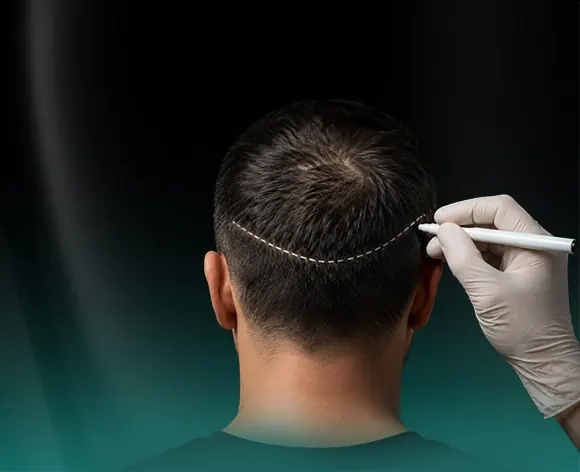
Beard transplantation Turkey is a specialized cosmetic procedure that enhances facial hair growth where it is sparse or non-existent. Ideal for individuals who cannot grow a full beard naturally due to genetic factors, scarring, or alopecia, this surgery involves harvesting hair follicles from a part of the body—usually the back of the scalp, where hair is thickest—and implanting them into the facial areas designated for beard growth. The transplanted hair is carefully matched to the face’s existing hair to ensure a natural and cohesive appearance. This procedure not only boosts the density of the beard but also allows for the reshaping and filling of any patchy areas, providing a permanent solution for beard enhancement.
How is Beard Transplantation Done?
Typically beard transplantation is carried out using the Follicular Unit Extraction (FUE) or Follicular Unit Transplantation (FUT) methods. Both begin with the donor area preparation, where hair follicles are harvested. In FUT, a strip of skin with hair is removed from the back of the scalp, and hair follicles are then separated under a microscope before transplantation. FUE involves using a precise punch tool to extract individual follicles directly, which causes less scarring and downtime. These follicles are then meticulously implanted into pre-made incisions in the facial area, following natural beard growth patterns to ensure the results look authentic. The procedure is performed under local anesthesia and can last several hours depending on the number of grafts. Recovery involves minor swelling and discomfort, but patients can usually resume normal activities within a few days.
Why Doesn't Beard Grow?
The growth of a beard is largely determined by genetics, hormonal levels, and overall health. Genetic factors are the most common reason some men have sparse or uneven beards, as these genes affect hair follicle sensitivity and development. Hormonally, beard growth is influenced by testosterone and its derivative dihydrotestosterone (DHT). Insufficient levels of these hormones can lead to weaker or patchier beard growth. Additionally, factors such as stress, poor diet, and underlying health conditions like thyroid disorders or anemia can also inhibit the natural growth of facial hair. Even lifestyle choices like smoking can negatively impact the beard by impairing blood flow to the hair follicles, thus hindering their growth and health.
What Should I Do for Beard Growth?
To encourage beard growth, it's important to maintain a healthy lifestyle and proper skincare. A balanced diet rich in vitamins such as Biotin, Vitamins A, C, and E, and minerals like zinc and iron can promote hair growth. Regular exercise helps to increase testosterone levels, which is crucial for beard growth. Additionally, proper skin care, including regular cleansing to remove dirt and oil, can keep the hair follicles healthy. Using products specifically designed to stimulate hair growth, such as beard oils that contain essential oils like jojoba or argan oil, can also be beneficial.
How Many Grafts Are Required for Beard Transplantation?
The number of grafts required for a beard transplantation varies depending on the extent of the area to be covered and the desired density. Typically, anywhere from 500 to 2,500 grafts might be needed. Minor fill-ins for patchy areas will generally be at the lower end of this range, while a full beard transplant to create a thick, full beard will require more grafts. Consultation with a specialized surgeon is necessary to get a personalized estimate based on individual facial structure and hair growth goals.
Can Beard Transplantation Be Done in Cases Such as Burn Scars?
Yes, beard transplantation can be performed in cases with burn scars, although such procedures are more complex and require a highly experienced surgeon. Transplanting hair into scar tissue is challenging because scarred skin often has a reduced blood supply, which is crucial for the new grafts to take root and survive. However, with advanced techniques and careful handling, successful transplantation can significantly improve aesthetic appearance and confidence.
What Methods Are Used in Beard Transplantation?
Beard transplantation primarily uses two techniques: Follicular Unit Extraction (FUE) and Follicular Unit Transplantation (FUT). FUE involves extracting individual follicular units directly from the donor area, typically the back of the head, using a specialized tool. This method is less invasive, leaves no linear scars, and is preferred for patients who wear their hair short. FUT, on the other hand, involves removing a strip of skin from the donor area and then dissecting it into individual grafts. While this method can leave a linear scar, it is often more efficient for harvesting a large number of grafts in a single session. Both methods aim to achieve natural-looking results by matching the transplanted hair's direction and growth pattern with the existing facial hair.
How Long Does the Recovery Process Take After Beard Transplantation?
The recovery process after a beard transplantation generally takes about one to two weeks. During the first few days, patients may experience some redness, swelling, and mild discomfort in both the donor and recipient areas. Small scabs will form around the transplanted follicles, which typically fall off within a week. Most people can resume their normal activities within a few days, although it is advisable to avoid strenuous activities and direct sun exposure for at least a week to ensure optimal healing.
How Many Months Does Beard Transplantation Heal?
Complete healing from beard transplantation can take several months. While the initial recovery is quick, with visible signs of healing within a week, the transplanted hair follicles enter a resting phase and may shed within the first few weeks. New hair growth typically begins around three to four months post-procedure. Full results, where the beard appears thicker and more natural, are usually visible by the nine to twelve-month mark, as the hair continues to grow and mature.
How Many Sessions Does Beard Transplantation Take to Finish? The number of sessions required for beard transplantation varies depending on the extent of the area to be covered and the desired density. For most individuals, a single session is sufficient to achieve the desired results. This session can take several hours, as hundreds to thousands of hair follicles are transplanted. However, in cases where a more significant area needs coverage or a higher density is desired, a second session may be necessary. This follow-up session is usually performed several months after the initial procedure, allowing time for the transplanted hair to grow and for the surgeon to assess the results and plan the next steps.
Is a Razor Used After Beard Transplantation?
After beard transplantation, it is crucial to follow the post-operative care instructions provided by the surgeon to ensure optimal healing and results. Initially, patients are advised not to use a razor or shave the transplanted area for at least ten to fourteen days. This period allows the newly transplanted hair follicles to settle into their new locations without being disturbed. The tiny scabs that form around the transplanted follicles will fall off naturally within a week or two. After the initial healing phase, patients can gently start shaving, but it is recommended to use an electric trimmer initially to avoid irritation. Full razor shaving can be resumed after about a month, but it is always best to get personalized advice from the surgeon based on the individual healing process.
Is Beard Transplantation Done Together with Hair Transplantation?
Yes, beard transplantation can often be performed simultaneously with hair transplantation, making it a convenient option for individuals looking to enhance both their scalp and facial hair density. Combining these procedures can be efficient, reducing overall recovery time and providing comprehensive results in a shorter period. During a combined session, the surgeon will harvest hair follicles from the donor area, typically the back of the scalp, and then implant them both into the beard area and the scalp where hair growth is desired. The feasibility of performing both procedures together depends on the availability of donor hair and the patient’s specific needs. A thorough consultation with a skilled surgeon can help determine if combining these procedures is a suitable option.
Does Beard Transplantation Leave a Scar on the Face?
Beard transplantation is designed to minimize scarring, particularly when the Follicular Unit Extraction (FUE) method is used. FUE involves extracting individual hair follicles with a tiny punch tool, resulting in very small, dot-like scars that are usually not visible to the naked eye once healed. These tiny scars blend seamlessly with the natural texture of the skin and are easily concealed by the growing beard. The other common method, Follicular Unit Transplantation (FUT), involves removing a strip of skin from the donor area, which leaves a linear scar. However, this linear scar is located on the scalp, where it can be easily hidden by existing hair. On the face, the goal of the procedure is to ensure that any scars are as minimal and inconspicuous as possible, allowing for a natural and aesthetically pleasing result. Advanced surgical techniques and careful post-operative care play significant roles in minimizing scarring and promoting optimal healing.
Who is Beard Transplantation Recommended For?
Beard transplantation is recommended for individuals who have difficulty growing a full, dense beard due to genetic factors, hormonal imbalances, or other underlying conditions. It is also suitable for those who have patchy or uneven beard growth, or who have lost facial hair due to trauma, burns, or surgical scars. Men seeking to enhance their facial aesthetics by achieving a more defined and fuller beard can benefit from this procedure. Additionally, beard transplantation is a good option for individuals looking to correct asymmetry in their facial hair or those who wish to achieve specific styling goals that are not possible with their natural beard growth.
Is a Razor Used After Beard Transplantation?
After beard transplantation, it is crucial to follow the surgeon's post-operative care instructions to ensure proper healing and optimal results. Initially, patients are advised to avoid using a razor or shaving the transplanted area for at least ten to fourteen days. This period allows the newly transplanted hair follicles to settle securely in their new locations. During this time, tiny scabs will form around the transplanted follicles and will fall off naturally. After the initial healing phase, typically around two weeks, patients can start using an electric trimmer for gentle grooming. Full razor shaving is usually recommended only after a month, once the skin has healed completely and the transplanted hair follicles are firmly in place.
Beard Transplantation Pre-Procedure Tips
Before undergoing a beard transplantation procedure, these are the elements you should consider:
Select a board-certified plastic surgeon with extensive experience in beard transplantation.
Quit smoking at least 4-6 weeks before and after the procedure for a better recovery.
Have a thorough discussion with your surgeon about your goals and expectations. This conversation should cover the desired density, coverage area, and the shape of your beard.
Familiarize yourself with the beard transplantation process. Typically, it involves harvesting hair follicles from a donor area and implanting them into the beard region.
Operation day: Beard Transplantation Step by Step
The procedure starts with the application of local anesthesia to the donor and recipient areas.
The surgeon selects a donor area, usually the back of the scalp, where hair closely matches the facial hair.
Once harvested, the hair follicles are prepared under a microscope.
The surgeon plans the beard's shape and density, marking the areas where the grafts will be placed. This step is important for achieving a natural-looking beard.
Small incisions or punctures are made in the beard area according to the transplantation plan.
The prepared hair follicles are then carefully implanted into the recipient sites.
Beard Transplantation Post-Procedure Tips
Following a beard transplantation, the recovery period is crucial for ensuring the success of the procedure and achieving the desired aesthetic results. Here are some essential post-procedure tips to guide you through the healing process:
Adhere strictly to the post-operative care instructions provided by your surgeon to fasten healing and reduce the risk of complications.
Prioritize rest, especially in the first 24-48 hours.
Sleep with your head elevated to reduce swelling.
Refrain from strenuous activities, heavy lifting, and vigorous exercise for at least 2-3 weeks.
If you have bandages follow your surgeon's instructions.
Patient stories
 Organic Hair Transplant · DEGorgeous Hair Loading!As a young man, baldness can make you look older. Our dear patient Andreas, decided to say “stop” to baldness and chose Estetik International to get his organic hair transplant done by our experts. Check his story and see how he decided to come with his friend to Istanbul to get their new hair.Watch on YouTube
 Organic Hair Transplant · AUYouth and ConfidenceAll the way from Australia, Anthony came to Estetik International to turn back the clock and get his young appearance back through our Organic Hair Transplantation. Check out his experience.Watch on YouTube
 Organic Hair Transplant · CAJoyful Experience!From the Canada, Amish came to Estetik International to fill in the blanks… in his hair! You can see in his beautiful smile how his experience was satisfying. Check out the video!Watch on YouTube
Frequently asked questions
The beard transplant procedure is generally not painful. Local anesthesia is applied to the donor and recipient areas before the procedure, ensuring that you remain comfortable throughout. After the procedure, there may be mild discomfort or swelling, but this can be managed with prescribed medication.
The procedure usually takes between 4 to 8 hours, depending on the number of grafts needed. The time can vary based on the complexity of the procedure and the extent of beard restoration required.
Visible results can typically be seen within 3-6 months after the procedure, with the full results developing in 9-12 months. During this time, the transplanted hair will grow naturally, becoming thicker and more dense.
Beard transplants are generally very safe with minimal risk. The most common side effects include minor swelling, redness, or tenderness in the treated areas, but these are temporary and usually subside within a few days.
Yes, beard transplantation can be combined with other treatments like PRP (Platelet-Rich Plasma) therapy to enhance hair growth and improve the health of the transplanted follicles.
Your surgical team
Considering Beard Transplantation?
Share a few details and a patient coordinator will plan your consultation with the right surgeon.