

What is Otoplasty?
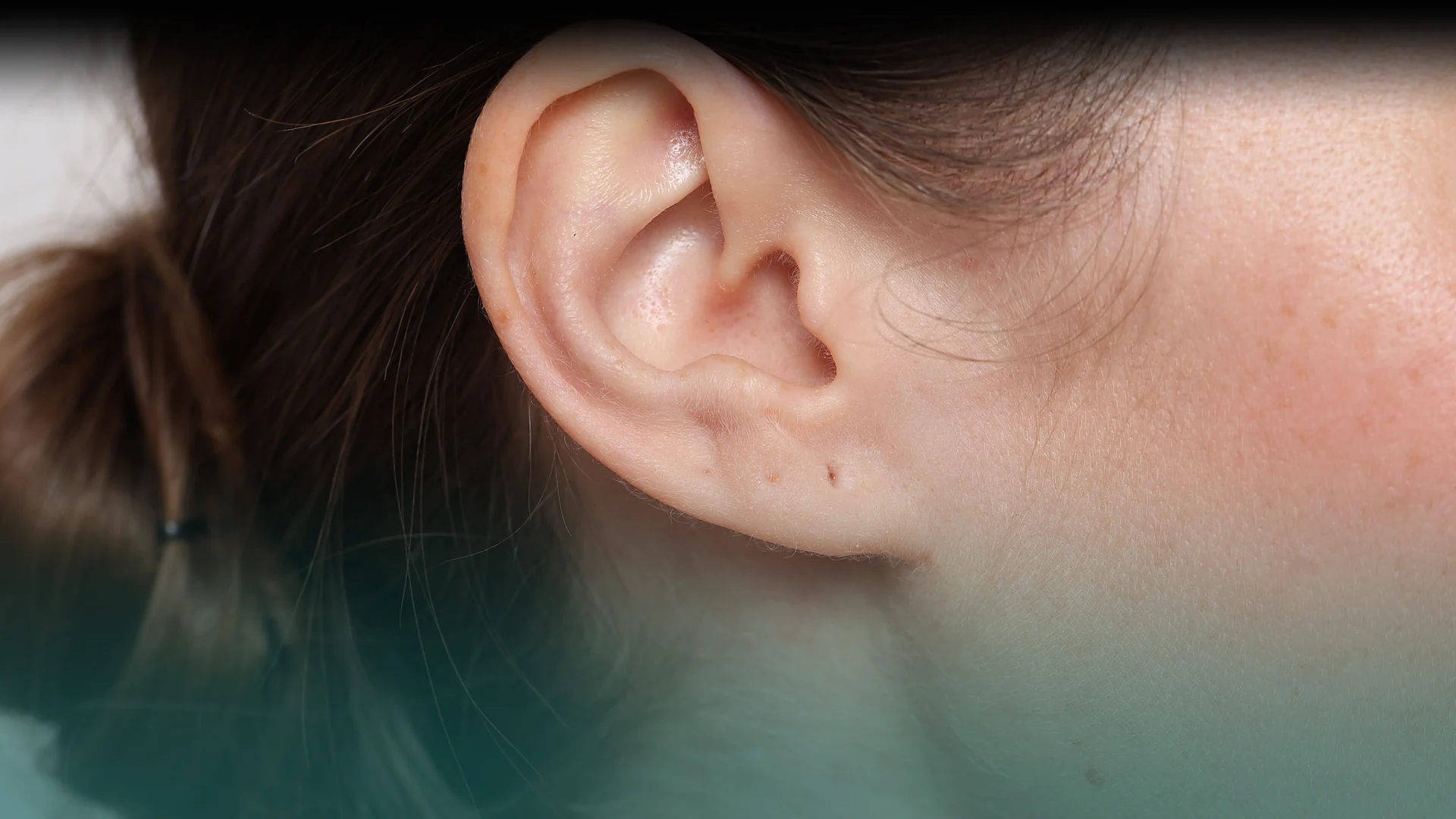
Otoplasty is a surgical procedure aimed at reshaping the ears to improve their size, shape, or position. It can address concerns such as ears that stick out too far from the head, uneven ears, or ears that are disproportionate to the face. The procedure involves removing or reshaping the cartilage in the ear, as well as repositioning the ear closer to the head if necessary. Otoplasty can dramatically improve the appearance of the ears and provide a more balanced, natural look.
At Estetik International, we specialize in otoplasty surgery, using advanced techniques to ensure that the results are natural, symmetrical, and in harmony with your facial features. Our personalized approach is designed to help you feel more confident and comfortable with your appearance by achieving the desired ear shape and position.
What Problems Can Otoplasty Solve?
Otoplasty in Istanbul can address various aesthetic concerns, including:
Protruding Ears: One of the most common reasons for otoplasty is ears that stick out too far from the head. The surgery can reposition the ears closer to the head to create a more balanced, natural look.
Asymmetrical Ears: Many people have ears that are uneven in size or shape. Otoplasty can correct this asymmetry, restoring harmony between both ears.
Large or Disproportionate Ears: Otoplasty can also be used to reduce the size of excessively large ears, creating a more proportional appearance that complements the rest of the face.
Congenital Ear Abnormalities: Otoplasty can correct birth defects such as folded, cupped, or underdeveloped ears, helping individuals achieve a more typical ear shape.
Is Otoplasty Right for You?
Otoplasty in Istanbul may be the ideal procedure if you:
Have ears that protrude too far from your head: If you're bothered by ears that stick out, otoplasty can reposition the ears closer to the head, improving facial balance.
Are unhappy with the shape or size of your ears: If you feel that your ears are too large or asymmetrical, otoplasty can help reshape and resize them to complement your facial features.
Want a long-lasting solution: Otoplasty provides permanent results, ensuring that your ears remain in their improved position and shape for years to come.
Are in good health with realistic expectations: Ideal candidates for otoplasty are generally healthy individuals who have realistic expectations regarding the results of the procedure.
How is the Otoplasty Procedure Done?
The otoplasty procedure is carefully planned and executed to ensure the best possible results with minimal scarring. At Estetik International, we take a personalized approach to each surgery, ensuring that the technique used is tailored to your specific needs and aesthetic goals.
Step-by-Step Otoplasty Process
Consultation and Planning: Your journey begins with a thorough consultation with one of our expert surgeons. During this consultation, we will assess the structure of your ears, discuss your concerns, and develop a customized plan to achieve the most natural and balanced result.
Anesthesia: The procedure typically begins with the administration of anesthesia to ensure your comfort throughout the surgery. Depending on the complexity of the procedure, local anesthesia with sedation or general anesthesia may be used.
Making Incisions: For otoplasty, the surgeon makes small incisions behind the ear, where they will be hidden from view. These incisions provide access to the cartilage that needs to be reshaped.
Reshaping the Cartilage: Once the incisions are made, the surgeon carefully reshapes the ear cartilage to achieve the desired position and shape. Excess skin or cartilage may be removed, or sutures may be used to fold and position the ear correctly.
Closing the Incisions: After the necessary adjustments are made, the incisions are closed with fine sutures. The sutures are typically placed behind the ear, so they are not visible once healed.
Recovery: Once the surgery is complete, you will be taken to a recovery area where our medical team will monitor your progress as you wake up from anesthesia. We provide comprehensive aftercare instructions to ensure a smooth and successful recovery process.
Pre-Op Otoplasty
To perform a otoplasty procedure, there are three main steps:
Consultation: Discussing needs and outcomes
Before the procedure, you will have a consultation with your doctor to discuss your outcomes, and the appropriate otoplasty technique.
After agreeing on the details, the medical staff schedule your operation day.
Operation day: Step by Step
On the procedure day, the medical team prepares you for the surgery by administering general anesthesia.
Based on the chosen approach the surgeon makes precise incisions.
The surgeon starts reshaping nasal bones to adjust the size of the ear according to the treatment plan.
The external part of the ear is carefully reshaped according to the treatment plan.
Incisions can be back of the ears.
After the procedure, the patient will experience some swelling and bruising, which gradually subsides over several weeks.
Post-Operative Process
After the otoplasty procedure, bruises and swelling will occur in the operated area. The first week after the procedure may be a little difficult. Your ears will be sensitive during this week.Placing an ice pack is important. Your doctor will prescribe pain medication for the post-operative process to be easier. If you have been prescribed antibiotics do not forget to take the medication as directed. Scars of the operations might seem in the first couple months but eventually it will fade away.
Scientific references
Patient stories
 Secondary Rhinoplasty · FRA Moving Story!After an unfortunate accident that broke her nose and altered her facial features, and after being rejected by many doctors in France due to her complicated case, she chose Estetik International and came to Turkey to have her nose fixed by our amazing surgeon Prof. Dr. Cenk Şen. She finally got her beauty and happy life back. Check out her full story here.Watch on YouTube
 Dental and Rhinoplasty · UZPerfection and Confidence!Jamshid Babajanov Dilshadovich visited Estetik International for a personalized consultation, exploring options in both dental aesthetics and rhinoplasty. His experience reflects the precision and care we deliver in every specialty.Watch on YouTube
 Breast Implants & Tummy Tuck · DKFrom Beautiful to Gorgeous!As a fitness model, Mia needed to keep her body in the best shape. She contacted Estetik International to give her the right touch to her gorgeous body. Check out her journey.Watch on YouTube
Frequently asked questions
Otoplasty, or ear surgery, reshapes the ears to improve their size, shape, or position. It is commonly performed to correct protruding ears, asymmetrical ears, oversized or disproportionate ears, and congenital ear abnormalities such as folded or cupped ears. Good candidates are healthy individuals, children or adults, who are bothered by the appearance of their ears and have realistic expectations about the results. At Estetik International, every candidate first undergoes a detailed consultation to confirm suitability.
Otoplasty begins with anesthesia, either local anesthesia with sedation or general anesthesia, depending on the complexity of the case and patient preference. The surgeon makes small incisions behind the ear, where scars will later be hidden from view, then reshapes or removes excess cartilage and skin to reposition the ear closer to the head or correct its form. Fine sutures are used to close the incisions and hold the new shape in place. The entire procedure is tailored to each patient's ear structure and aesthetic goals.
Some swelling, bruising, and sensitivity around the ears are normal in the first week, and applying ice packs along with prescribed pain medication helps manage discomfort. A protective headband or dressing is typically worn to support healing and positioning. Most patients return to work or school within a week to ten days, while strenuous activity and contact sports should be avoided for several weeks. Full settling of the results, including fading of any visible scarring, continues over the following months.
Yes, otoplasty provides long-lasting, generally permanent results. Because the procedure reshapes and repositions the underlying cartilage rather than just the skin, the corrected ear shape and position remain stable once healing is complete. Occasional minor asymmetry can persist naturally, as no two ears are perfectly identical, but the overall improvement in balance and proportion achieved through surgery is expected to last for years to come, barring significant trauma to the ear.
Incisions are placed behind the ear in the natural fold, so scars are well concealed and fade significantly over the following months, becoming barely noticeable. As with any surgery, risks such as infection, bleeding, or temporary numbness are possible but uncommon with an experienced surgeon. Turkey, and Istanbul in particular, is known for offering advanced otoplasty techniques at more accessible prices than many Western countries, without compromising on surgical quality, making it a popular destination for this procedure.
Before & after
Your surgical team
Considering Otoplasty?
Share a few details and a patient coordinator will plan your consultation with the right surgeon.