

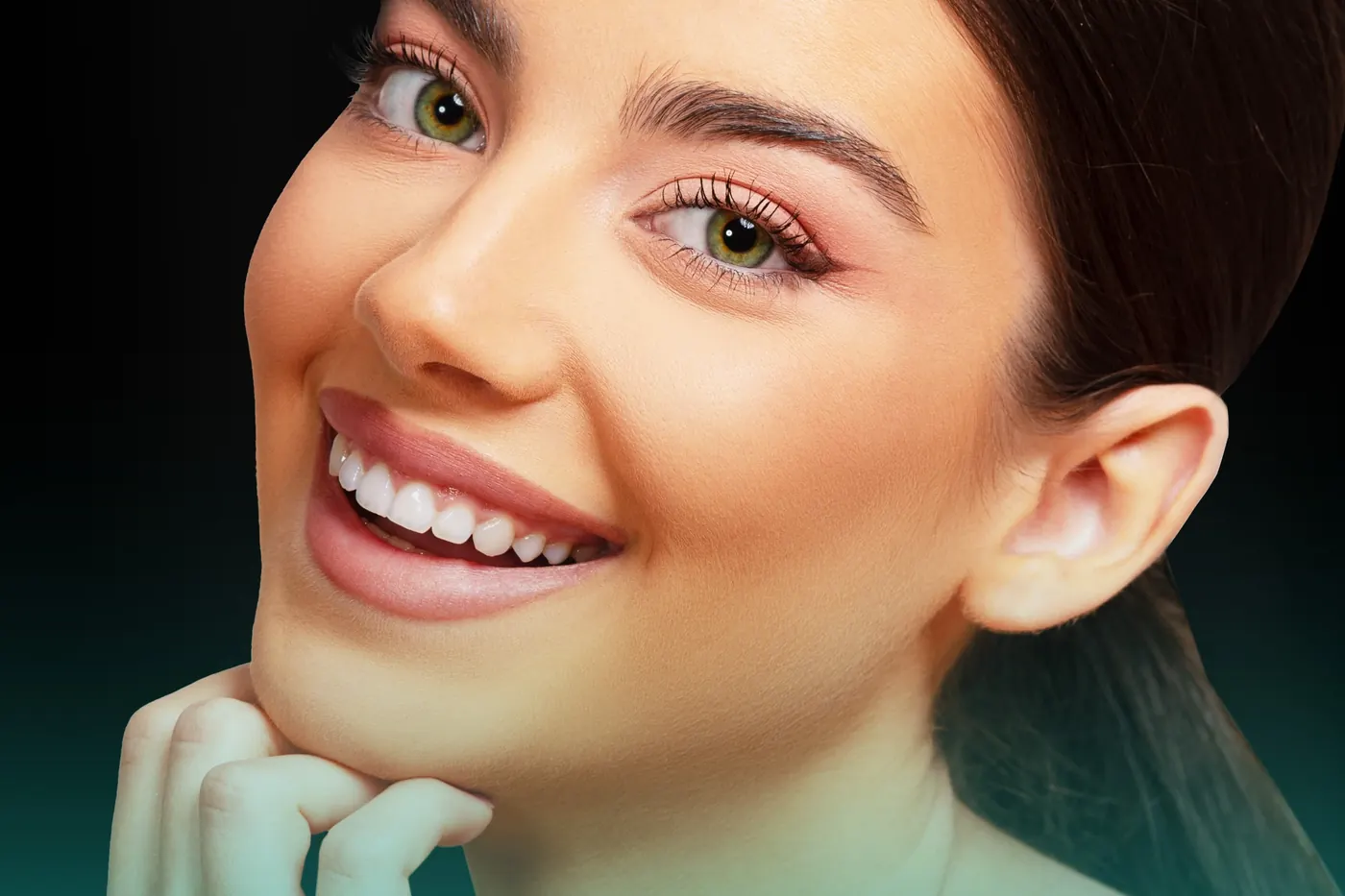

What is Veneers?
Veneers are custom-made shells crafted from porcelain or composite resin that are designed to cover the front surface of teeth, instantly improving their appearance. These cosmetic enhancements are a key component in achieving a Hollywood Smile, offering a solution for various aesthetic concerns such as discoloration, chips, misalignment, or gaps between teeth. Veneers are bonded to the teeth, creating a durable and aesthetically pleasing result that can dramatically transform your smile.
Who is suitable for Veneers?
Individuals who can be suitable for a veneers are as following:
Candidates should have healthy gums and teeth free from major periodontal diseases to ensure the longevity and success of veneers.
Candidates must have a fully developed jawbone, ensuring that their dental structure is stable enough to support the veneers.
Candidates should be willing to undergo multiple sessions or treatments depending on the complexity of their dental needs.
It’s important for candidates to have realistic expectations regarding their veneers.
The key point is to check every patient's unique needs, to decide whether they are suitable or not.
What problems can be solved with Veneers?
Veneers are a transformative cosmetic dental solution capable of addressing a wide array of aesthetic concerns, significantly improving the visual appeal of one's smile.
Enhances Smile Aesthetic
Corrects Discoloration
Aligns Misshapen and Crooked Teeth
Closes Gaps Between Teeth
Veneers Pre-Procedure Tips
Preparing for a veneers procedure involves several key steps to ensure the best outcomes and a smooth recovery. Here are the important preoperative tips:
Dental History: Provide your dental surgeon with a complete medical and dental history, including any previous dental surgeries, current medications, and known allergies. This helps for planning the safest and most effective veneers procedure.
Ensure your dentist has specific expertise in dental procedures.
Your dental surgeon will likely recommend a dental exam, including X-rays and possibly 3D imaging. This helps in assessing the health of your jawbone.
Your surgeon may provide specific instructions regarding eating, drinking, and medication adjustments before the surgery. It's important to follow these instructions carefully to prepare your body for the procedure.
Maintain excellent oral hygiene leading up to your appointment. A clean and healthy mouth is essential for the best possible results and can help prevent post-procedure complications.
Procedure Day: Veneers Step by Step
The veneers are designed to enhance the aesthetic appeal of your smile, involving several key steps to ensure comfort, precision, and outstanding results:
The process often begins with ensuring the patient's comfort, which may include local anesthesia to numb the treatment area.
Unlike the surgical steps required for dental implants, the veneer focuses on the aesthetic aspects. The dentist evaluates the condition, alignment, color, and overall aesthetics of the teeth to determine the best approach for the veneers.
Tailored specifically to each patient, the dentist selects the appropriate size, shape, and shade of the veneers to address aesthetic concerns such as misalignment, discoloration, or gaps. This customization is key to achieving a natural-looking and appealing smile.
A crucial step in the veneers process involves the precise preparation of the teeth. This includes gently removing a minimal amount of enamel from the front surface of the teeth to ensure a seamless fit and natural appearance for the veneers.
The custom-designed veneers are then carefully bonded to the front of the teeth. This instantaneously alters the smile's appearance, covering imperfections and enhancing aesthetics.
Veneers Post-Procedure Tips
After your veneers procedure you need to follow the post-procedure advices for a faster and better recovery:
Adhere strictly to the specific instructions provided by your dentist or oral surgeon. It is really important for optimal healing.
Veneers are generally less invasive than implant surgery, but getting adequate rest is still important.
Some swelling and bruising around the treated site are normal. To minimize swelling, apply cold compresses to the cheek area near the treated area.
Avoid strenuous activities, heavy lifting, and bending over for a few days.
Maintain oral hygiene by gently brushing your teeth, avoiding direct contact with the veneers site and floss carefully to avoid dislodging your new veneers.
Patient stories
 Teeth Bonding · TRA Smile That Speaks Confidence!Returning for a second time, Tolunay shares why Estetik International remains his go-to clinic for expert dental care. Watch his experience here while he explains everything he loves about our clinic.Watch on YouTube
 Teeth Whitening · ILShine Bright with Every Smile!A little touch to a beautiful smile can be the right choice to elevate your whole look. Watch how Bar chose our professional teeth whitening service for a quick yet impactful smile upgrade.Watch on YouTube
 Dental and Rhinoplasty · UZPerfection and Confidence!Jamshid Babajanov Dilshadovich visited Estetik International for a personalized consultation, exploring options in both dental aesthetics and rhinoplasty. His experience reflects the precision and care we deliver in every specialty.Watch on YouTube
Frequently asked questions
Veneers are custom-made shells crafted from porcelain or composite resin that are bonded to the front surface of teeth to correct discoloration, chips, misalignment, or gaps. Good candidates have healthy gums and teeth free from major periodontal disease, a fully developed jawbone, and realistic expectations about the outcome. During your consultation, our dentists assess your unique dental needs and aesthetic goals to confirm whether veneers are the right solution for your smile.
The procedure begins with local anesthesia to keep you comfortable, followed by a thorough evaluation of your teeth's condition, alignment, color, and overall aesthetics. The dentist selects the ideal size, shape, and shade of veneer for a natural look, then gently removes a minimal amount of enamel from the front of the teeth to ensure a precise fit. The custom veneers are then carefully bonded in place, and final adjustments are made for optimal comfort, fit, and appearance.
Veneers are considerably less invasive than implant surgery, so recovery is generally quick and comfortable. Some mild sensitivity or slight swelling of the gums may occur initially, which can be managed with a cold compress if needed. Most patients return to normal activities right away, though it is advisable to avoid very hard or sticky foods for the first few days and to maintain gentle, careful oral hygiene while your mouth adjusts to the new veneers.
Veneers are designed to provide a durable, long-lasting result, with porcelain veneers typically offering greater longevity than composite ones when properly cared for. Their lifespan depends on factors such as oral hygiene, diet, and habits like teeth grinding. Maintaining excellent oral hygiene, attending regular dental check-ups, and avoiding excessive biting force on the veneers will help preserve their appearance and function for many years, keeping your smile bright and natural-looking.
Veneers are a safe, minimally invasive cosmetic treatment, though as with any dental procedure there may be temporary sensitivity or the need for minor adjustments after placement. Choosing an experienced dental team greatly reduces these risks. With over 25 years of experience in dentistry and reconstructive care, Estetik International combines skilled specialists with a premium VIP travel experience, ensuring attentive support and outstanding results throughout your treatment journey.
Before & after
Considering Veneers?
Share a few details and a patient coordinator will plan your consultation with the right surgeon.