

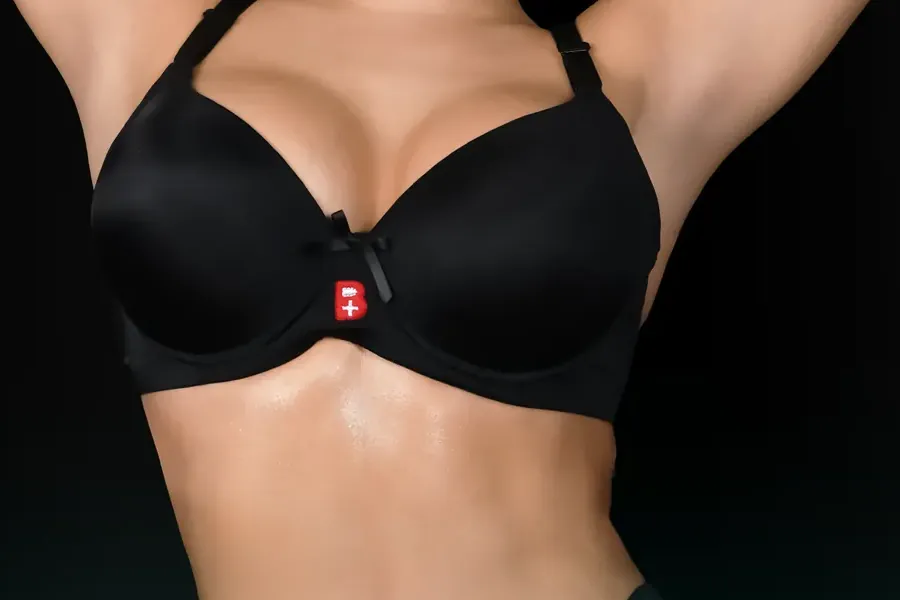


What is Breast Augmentation?
Breast augmentation is a cosmetic surgical procedure designed to enhance the size, shape, and volume of the breasts. This is typically achieved by inserting breast implants (either saline or silicone) under the breast tissue or chest muscle. Women choose breast augmentation for various reasons, including enhancing breast size, restoring volume lost after pregnancy or weight loss, or achieving more balanced proportions.
Breast augmentation is ideal for women who are generally in good health, have realistic expectations, and are looking to enhance their breast size or shape. Candidates may have naturally small breasts, notice volume loss due to aging or pregnancy, or have asymmetrical breasts. Ideal candidates should also be non-smokers to reduce the risk of complications and promote faster healing.
Enhanced Breast Size: A fuller, more proportionate breast size that enhances overall body symmetry.
Improved Confidence: Many women report increased self-esteem and body confidence after the procedure.
What are the Types of Silicone Breast Prosthesis?
Silicone breast prostheses are implants frequently used in breast augmentation surgeries and have various shapes, sizes and texture features. These prostheses generally fall into two main categories: round and anatomical (teardrop-shaped) prostheses. While round prostheses create a more prominent profile by providing more fullness to the upper part of the breast, anatomical prostheses have a natural drop shape and offer a more natural appearance. Both types offer different projection levels and diameters, adapting to a variety of body types and aesthetic goals. Additionally, silicone prostheses have smooth or texture-covered surface options; Textured surfaces help provide a more stable position within the body and may reduce the risk of capsular contracture. This diversity allows plastic surgeons to provide personalized solutions based on their patients' needs.
The choice of silicone breast prosthesis depends on several factors, including your body type, desired results, lifestyle, and the recommendation of your surgeon. During your consultation, your surgeon will discuss your options and help you choose the best implant type to suit your goals.
How Does Breast Augmentation Procedure Work?
Breast augmentation is a surgical procedure designed to enhance the size, shape, and volume of the breasts. It typically involves the use of silicone or saline implants to create fuller, more symmetrical breasts. Here’s how the process works step by step:
Consultation and Planning: During your consultation, the surgeon will evaluate your body, discuss your aesthetic goals, and determine the best approach. This includes choosing the type of implant (saline or silicone), the size, and the placement method (under the muscle or over the muscle).
Anesthesia: Breast augmentation is performed under general anesthesia, ensuring that you are comfortable and pain-free throughout the procedure.
Incision Placement: Small incisions are made, typically in discreet areas such as under the breast, around the areola, or in the armpit, depending on your body and the surgeon's preference. These incisions allow the surgeon to create a pocket where the implant will be placed.
Patient stories
 Breast Implants & Tummy Tuck · DKFrom Beautiful to Gorgeous!As a fitness model, Mia needed to keep her body in the best shape. She contacted Estetik International to give her the right touch to her gorgeous body. Check out her journey.Watch on YouTube
 Breast Implant Exchange & Lifting · CAYoung and Beautiful!Dear Christina traveled all the way from Canada to us for her breast implant replacement. With our expertise and personalized care, we provided her with the transformation she desired.Watch on YouTube
 Breast Lifting · BGSculpted to Perfection!As beautiful motherhood can be, it transforms the body, but refinement is always possible at Estetik International. Stella, who joined us from Bulgaria, shares her heartfelt story about the care and confidence she received during her premium breast lifting journey.Watch on YouTube
Patient videos


Frequently asked questions
The procedure typically takes 1 to 2 hours and is done under general anesthesia. During the surgery, your surgeon will make an incision (usually in the fold under the breast) to place the implant either behind the breast tissue or under the chest muscle. The type and size of the implant will be chosen based on your goals and body type.
During procedure, the incisions are usually placed in discreet locations (such as in the breast fold or around the areola) to minimize visibility. Over time, scars typically fade and become less noticeable, although they may never disappear completely.
There are two primary types of breast implants:Silicone Implants: These are filled with a silicone gel that feels more like natural breast tissue. Silicone implants are the most popular choice due to their natural feel and appearance.Saline Implants: These are filled with a sterile saltwater solution. They tend to be firmer and can be adjusted for size during surgery, but some people find they feel less natural than silicone implants.
In most cases, breast augmentation does not interfere with the ability to breastfeed. However, it depends on the type of surgery and incision used. For example, implants placed under the muscle and incisions around the breast fold are less likely to affect breastfeeding than other placements. If breastfeeding is a priority, be sure to discuss this with your surgeon during your consultation.
Before & after
Your surgical team
Considering Breast Augmentation?
Share a few details and a patient coordinator will plan your consultation with the right surgeon.