

What is Abdominoplasty (Tummy Tuck)?
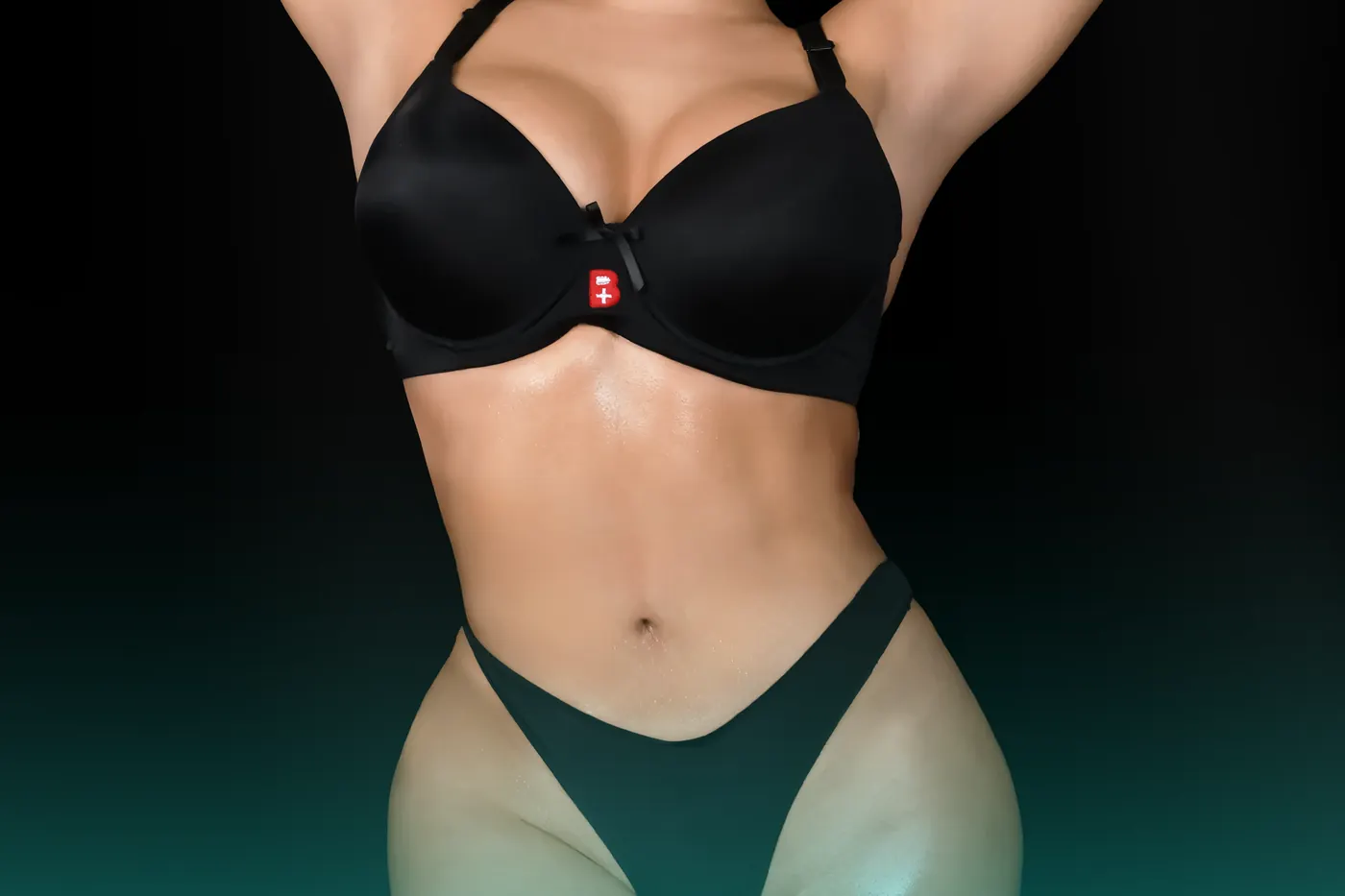
Abdominoplasty, commonly known as a tummy tuck, is a cosmetic surgery designed to remove excess skin and fat from the abdominal area while tightening the underlying muscles. This procedure is ideal for individuals who have experienced significant weight loss, pregnancy, or aging, which often results in loose, sagging skin and weakened abdominal muscles. A tummy tuck can restore a firm, toned, and more youthful abdominal appearance.
What Are the Benefits of Abdominoplasty?
Improved Abdominal Contour: By removing excess skin and tightening muscles, abdominoplasty creates a smoother, more toned appearance.
Restored Confidence: Many patients experience a boost in self-esteem and confidence, especially when wearing clothes or swimsuits.
Permanent Results: While significant weight fluctuations or pregnancy can affect the results, the excess skin and fat removed during the procedure are permanent.
Who is a Good Candidate for Abdominoplasty?
Abdominoplasty is ideal for individuals who:
Have excess skin or fat in the abdominal area that doesn’t respond to diet or exercise.
Are in good overall health and have stable weight.
Have realistic expectations about the results and understand that a tummy tuck is not a substitute for weight loss.
Have weakened or separated abdominal muscles (diastasis recti), often caused by pregnancy or aging.
What Does Abdominoplasty Procedure Involve?
Consultation and Planning: During the consultation, the surgeon will evaluate your body, discuss your goals, and determine whether abdominoplasty is the best procedure for you. A personalized treatment plan will be created based on your unique needs.
Anesthesia: Abdominoplasty is performed under general anesthesia, ensuring that you are comfortable and pain-free throughout the procedure.
Incision Placement: The surgeon makes a horizontal incision, typically located just above the pubic area, where the scar can be easily hidden by clothing. In some cases, a small incision around the navel is also made.
Fat and Skin Removal: The surgeon removes excess skin and fat from the lower abdomen. In some cases, liposuction may be used to remove fat from the upper abdomen for better contouring.
Muscle Tightening: The surgeon tightens the abdominal muscles that have been stretched or weakened, particularly after pregnancy or significant weight loss. This step helps create a flatter, firmer abdomen.
Reshaping and Closure: The remaining skin is pulled tight and sutured in place, and the navel is repositioned if necessary. The incision is carefully closed to minimize scarring.
Recovery Process After Abdominoplasty
After abdominoplasty (tummy tuck), the recovery process involves a few key stages. Immediately after surgery, you’ll be monitored, and pain medication will help manage any discomfort. Compression garments are applied to reduce swelling, and temporary drains may be used to remove excess fluid. Swelling and bruising are common but will gradually subside over time. It's important to rest and avoid strenuous activities in the early days to promote healing. Follow-up appointments will allow your surgeon to assess progress and remove stitches if necessary. While gentle movement, such as short walks, is encouraged, you should avoid bending, lifting, or twisting. Full recovery takes time, but most patients can return to regular activities after a few months. To ensure the best outcome, it’s essential to follow your surgeon’s aftercare instructions, avoid smoking and alcohol for at least six weeks, and maintain a healthy diet to aid in healing. If any unusual symptoms occur, such as severe pain or signs of infection, contact your surgeon immediately.
Abdominoplasty Pre-Procedure Tips
Ensure your surgeon is board-certified in plastic surgery and has extensive experience with abdominoplasty procedures.
Undergo a thorough medical evaluation to ensure you're fit for surgery. This may include lab tests and a pre-surgical physical examination.
Smoking can significantly impair healing and increase the risk of complications. Quit smoking at least 4-6 weeks before and after surgery.
Achieve and maintain a stable weight before surgery. Significant weight fluctuations can affect the results.
Eat a balanced diet rich in vitamins and minerals to support healing.
Before the procedure, you will have a consultation with your doctor to discuss your goals, outcomes. After agreeing on the details, our medical staff schedule your operation day.
Operation Day: Abdominoplasty Step by Step
Before the surgery, your surgeon will mark your abdomen while you are in a standing position.
The procedure is performed under general anesthesia, ensuring the patient is asleep and pain-free throughout the surgery.
The surgeon makes a horizontal incision above the pubic hairline, extending from hip to hip. The length and shape of the incision can vary based on the amount of excess skin and the specific goals of the surgery.
The skin and fat are lifted away from the abdominal muscles up to the ribs, allowing the removal of excess fat and skin.
If the patient has weakened or separated abdominal muscles, the surgeon will stitch the muscles together, creating a firmer abdominal wall and narrowing the waistline.
If a second incision around the navel was made, the surgeon will cut out a hole in the redraped skin and stitch the navel into place, to maintain a natural-looking belly button position.
Abdominoplasty Post-Procedure Tips
Adhering to the specific guidelines provided by your surgeon is crucial in order to prevent any complications and ensure successful results.
Use the prescribed pain medications as directed by your surgeon to manage the pain and discomfort in the days following the surgery.
Sleeping in a slightly bent position, such as in a recliner or with pillows propping you up, can help reduce tension on the incision, decrease swelling, and make sleeping more comfortable during the initial recovery phase.
Walk in a slightly forward leaning position in the first couple of days, to avoid opening the wounds.
A compression garment helps reduce swelling, supports the abdominal area, and helps the skin conform to the new body contours. Wear it as directed by your surgeon, usually for several weeks.
Focus on eating foods rich in vitamins and minerals, especially those that promote wound healing, such as proteins, vitamin C, and zinc. Stay hydrated by drinking plenty of water.
Patient stories
 Breast Implants & Tummy Tuck · DKFrom Beautiful to Gorgeous!As a fitness model, Mia needed to keep her body in the best shape. She contacted Estetik International to give her the right touch to her gorgeous body. Check out her journey.Watch on YouTube
 Total Body Reshaping · ALFrom Vision to Stunning Reality!Balancing the spotlight as a singer and the joys of motherhood, Adelina flew from Albania to embrace a full-body reshaping experience. Watch her take the first steps on this empowering new chapter.Watch on YouTube
 Secondary Rhinoplasty · FRA Moving Story!After an unfortunate accident that broke her nose and altered her facial features, and after being rejected by many doctors in France due to her complicated case, she chose Estetik International and came to Turkey to have her nose fixed by our amazing surgeon Prof. Dr. Cenk Şen. She finally got her beauty and happy life back. Check out her full story here.Watch on YouTube
Patient videos

Frequently asked questions
Abdominoplasty, commonly known as a tummy tuck, is a cosmetic surgery procedure designed to remove excess skin and fat from the abdominal area and tighten the abdominal muscles. This surgery is ideal for individuals who have loose skin or weakened muscles due to significant weight loss, pregnancy, or aging.
The recovery time for a tummy tuck (abdominoplasty) typically lasts around 4 to 6 weeks, with most patients resuming light activities within 2 weeks. Full recovery and the final results can take up to 6 months. It's important to follow post-operative care instructions closely to minimize complications and achieve the best results.
No, while both procedures are aimed at improving the appearance of the abdomen, they are different. Liposuction removes excess fat, while abdominoplasty also removes excess skin and tightens abdominal muscles. Tummy tuck surgery is often performed with liposuction for more dramatic results, especially if there is both excess fat and loose skin.
Abdominoplasty can help reduce the appearance of stretch marks, particularly those located on the lower abdomen. The removal of excess skin during the procedure may improve the look of stretch marks, though it is important to note that there might also be a possibility of not completely eliminating them.
Abdominoplasty is generally considered a cosmetic procedure, so insurance companies generally do not cover cosmetic procedures. However, there are some specific situations in which abdominoplasty might be partially covered or eligible for insurance. These situations are mainly medical necessities.
Before & after
Your surgical team
Considering Abdominoplasty - Tummy Tuck?
Share a few details and a patient coordinator will plan your consultation with the right surgeon.